About Weld Neck Flanges
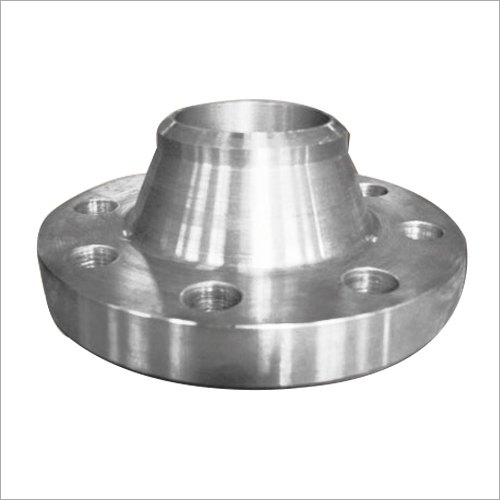
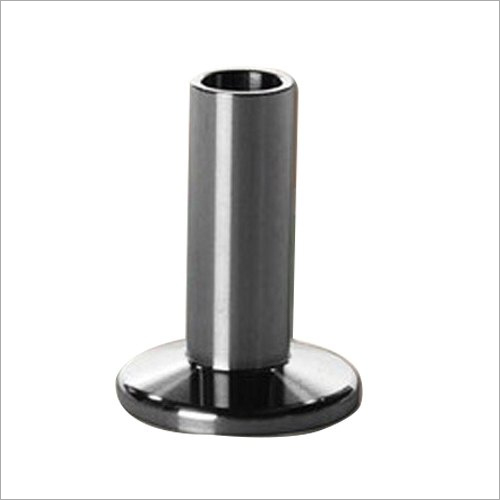
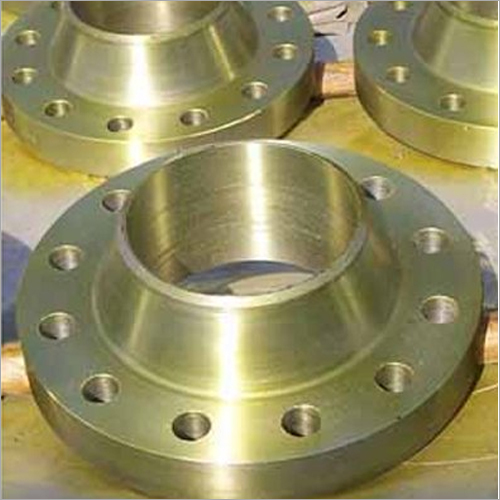
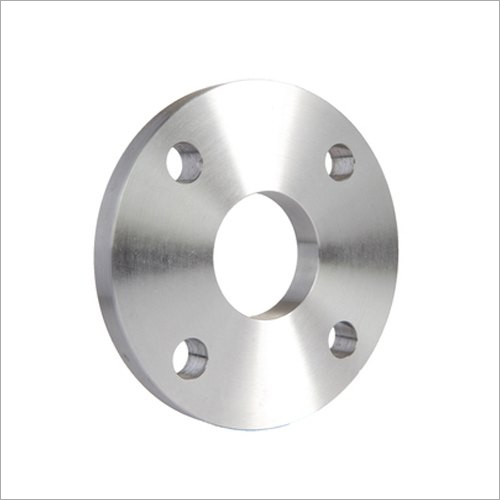
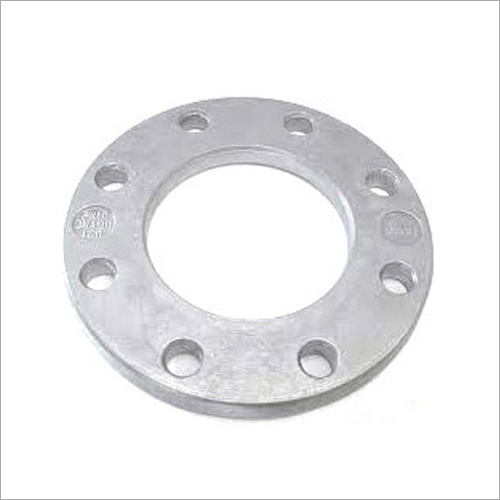
Rollwell Weld Neck Flanges excellent quality flanges made for various industrial applications. Flanges are simply a type of connector that is flanged. In other words, it has outer edge projected outside which connects to a similar shape flange. Weld Neck Flanges are generally used for connecting pipes through welding with each other. Some flanges also come in threaded screw for connecting with the other. We manufacture Weld Neck Flanges using high grade stainless steel, carbon steel and alloy steel in different sizes to meet the application needs.
Product details
| Available Material | Carbon steel, Stainless steel, and Alloy steel |
| Usage/Application | Industrial |
| Size | 1/2-24 inch |
| Brand | Rollwell |
| Shape | Round |
| Class | 150 & 300/400 & 600/900/1500/2500 |
Versatile ApplicationsWeld Neck Flanges are widely used in oil & gas, petrochemical, power plants, water treatment, and pipeline engineering projects. Their round, forged design and high-purity materials ensure durability under diverse, high-pressure conditions across industries.
Reliable Performance & SafetyWith their precise buttweld neck connection, these flanges guarantee excellent strength and minimal leakage. Being corrosion resistant and highly durable, they are ideal for long-term use in harsh industrial environments, ensuring reliable performance and safety.
International Standards and MarkingsEach flange is clearly marked with size, pressure rating, material grade, and standard compliance (ANSI, ASME, DIN, EN, BS, JIS, GOST). This marking ensures traceability and swift verification, meeting rigorous export, manufacturing, and installation requirements globally.
FAQ's of Weld Neck Flanges:
Q: How are Weld Neck Flanges with Raised Face (RF), Flat Face (FF), and Ring Type Joint (RTJ) selected for specific applications?
A: The selection of face type depends on the application's sealing and pressure requirements. Raised Face (RF) is common for moderate to high-pressure settings, Flat Face (FF) is suited for low-pressure, non-critical applications, and Ring Type Joint (RTJ) is preferred for high-pressure and high-temperature environments. Consulting industry standards and project needs ensures proper flange type selection.
Q: What manufacturing process is used for these stainless steel weld neck flanges?
A: These flanges are produced using forging techniques, followed by precision machining to achieve the desired smooth, bright, or machined finish. The robust forging process imparts superior strength and ensures the integrity of the weld neck connection, while machining assures dimensional accuracy.
Q: When should I use a weld neck flange with a buttweld neck connection?
A: A weld neck flange with a buttweld neck is recommended when superior strength, reduced leakage risk, and durability under repeated thermal cycling are critical. It is ideal for high-pressure, high-temperature applications such as in oil & gas, power plants, and chemical processing industries.
Q: Where are these flanges commonly installed?
A: These flanges are installed in pipelines, processing plants, refineries, water treatment systems, and construction projects requiring robust, leak-proof connections. They are suitable for use in various global industries given their compliance with ANSI, ASME, DIN, EN, BS, JIS, and GOST standards.
Q: What information is marked on each flange and why is it important?
A: Each flange is permanently marked with relevant data including size, pressure rating, material grade, and applicable international standard. This ensures traceability, easy verification during inspection, and adherence to project or industry specifications.
Q: How does the finish and packaging of the flange support its durability during transport and installation?
A: Flanges are finished with polished, smooth, or machined surfaces to resist corrosion and facilitate a clean weld. They are packed in sturdy wooden cases or pallets, or as required by the client, to protect against damage during transport and handling, preserving surface integrity.
 Mon-Sat 10.00 AM to 6.30 PM
 Call Us:-07313725910





 Send Inquiry


 Send Inquiry
 Send SMS


