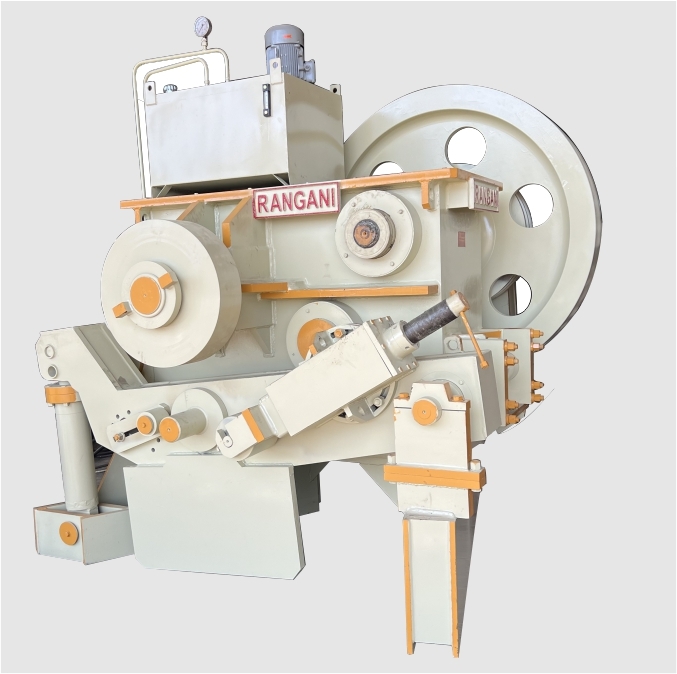
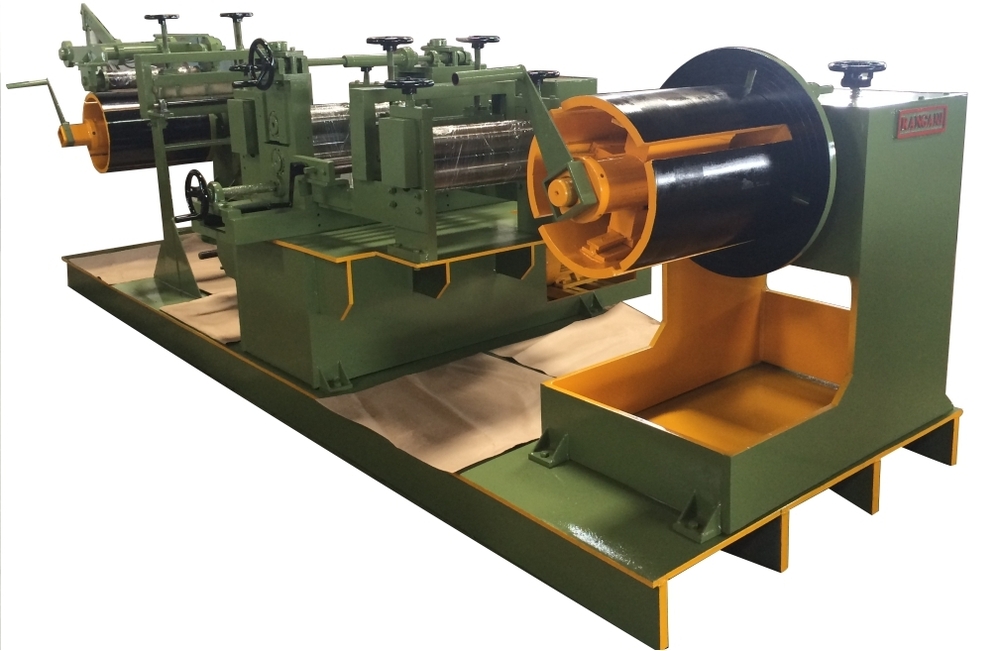
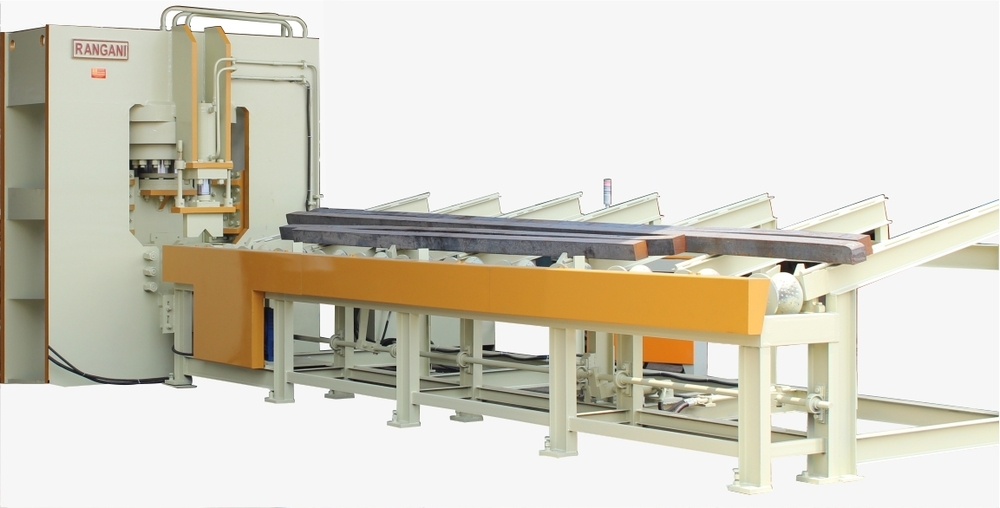
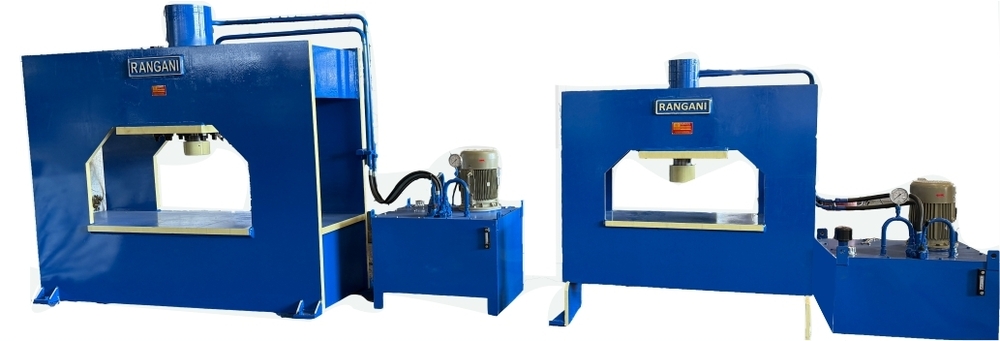
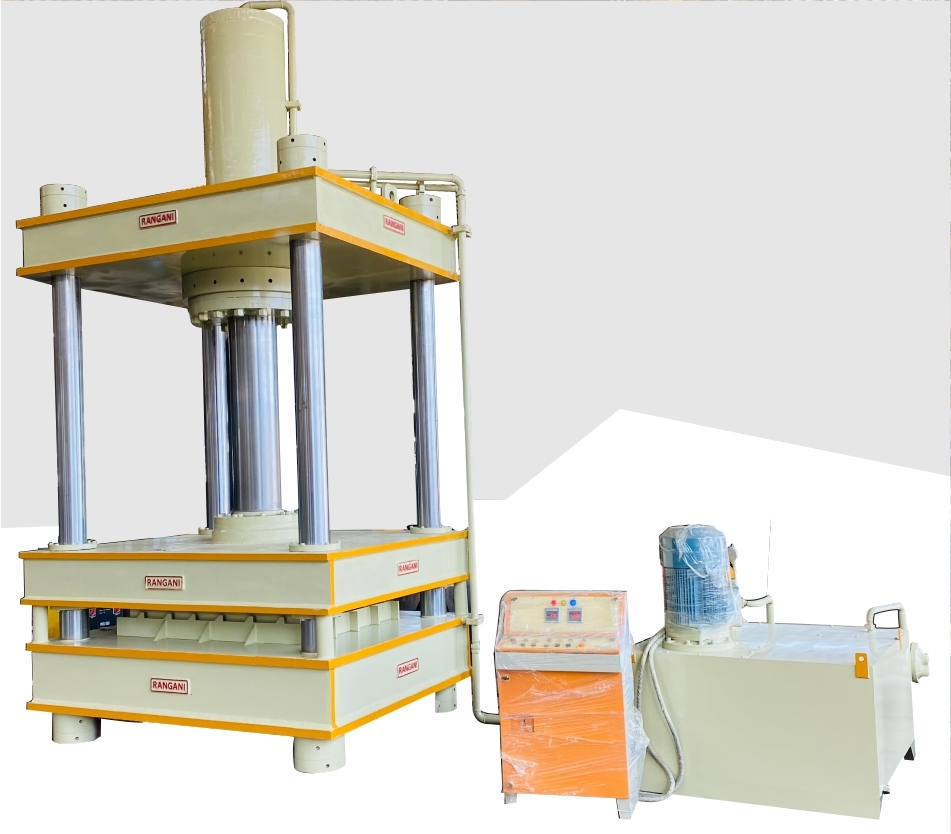
About Ring Rolling Machine
Tagline: Precise Ring Forming
- Efficient Hydraulic System
- Heavy Duty Built
- High-Volume Readiness
Specifications Table
Ring Diameter | Material Thickness | Max. Ring Weight | Motor Power | Main motor |
Up to 100 mm | | Up to 10 Kg | | |
Up to 200 mm | 10 20 mm | Up to 25 Kg | 5 hp | As per req |
Up to 350 mm | 20 30 mm | Up to 30 Kg | 10 HP | |
Custom Size | 30+ mm | | 10+ HP | |
Material Suitable
- Ferrous Metals: Major Types
- Steel Alloys: Carbon steel, stainless steel.
- High-Temp Alloys: Inconel, Hastelloy, nickel-based superalloys.
- Non-Ferrous: Copper, brass, bronze.
Benefits
Industries Served
- Aerospace: Engine casings, turbine discs, landing gear rings.
- Energy: Wind turbine hubs, nuclear reactor flanges, oil rig components.
- Heavy Machinery: Gears, bearings, hydraulic cylinder bands.
- Automotive: Transmission rings, EV battery housings.
- Defense: Armored vehicle wheel rims, missile guidance systems.
Advanced Forging TechnologyPowered by advanced forging technology, the RR-1600 provides high efficiency and accuracy, achieving a precision of 0.1 mm. Its electromechanical drive and water cooling system guarantee reliable long-term performance, even in demanding manufacturing environments.
Intuitive Automation & User InterfaceThis ring rolling machine offers a fully automatic operation through an easy-to-use touch screen HMI. Operators benefit from clear digital maintenance alerts, upgradable firmware, and a highly responsive interface, streamlining setup and minimizing downtime.
Safety and Compliance AssuredDesigned for operator safety and global market compliance, the RR-1600 meets CE and ISO9001 standards. Features like emergency stops, interlocked doors, overload protection, and robust frame construction provide peace of mind during operation.
FAQ's of Ring Rolling Machine:
Q: How does the RR-1600 Ring Rolling Machine ensure operational safety for users?
A: The RR-1600 guarantees workplace safety through features such as an emergency stop, interlocked door, overload protection, overcurrent and phase failure relays. These systems comply with CE and ISO9001 standards, safeguarding operators during the rolling process.
Q: What types of materials can be processed with this ring rolling machine?
A: This model is engineered to handle carbon steel, alloy steel, and stainless steel. With its robust 1600 kN radial force and advanced forging technology, it produces precise, high-quality rings for a variety of industrial applications.
Q: Where is the RR-1600 machine typically installed, and what are the installation requirements?
A: The RR-1600 is floor-mounted and requires a solid foundation with access to 380V, 3-phase power. Its dimensions (3100 x 2300 x 2200 mm) and weight (6500 kg) make it suitable for dedicated manufacturing spaces with ambient temperatures from 0-50C and up to 85% RH humidity.
Q: What is the typical usage process for producing rings on this machine?
A: Operators load the workpiece, select parameters via the touch screen HMI, and initiate the automatic cycle. The machine forms rings within 20-45 seconds per cycle, using its quick-change die system and precision rollers to achieve the desired dimensions while monitoring maintenance and lubrication automatically.
Q: When should maintenance be performed, and how is it indicated?
A: Maintenance schedules are guided by the machine's digital display maintenance indicator. Alerts notify operators promptly, ensuring timely servicing of components such as the lubrication system, hydraulic tank, and safety features, thus minimizing downtime.
Q: What benefits does the quick-change die system offer to operators and production managers?
A: The quick-change die system significantly reduces tooling changeover time, allowing faster adjustments between ring sizes and minimizing downtime. This enhances overall productivity and adaptability in high-mix, small-batch manufacturing environments.
Q: How does the remote diagnostics capability enhance machine serviceability?
A: Remote diagnostics enable real-time monitoring and troubleshooting via Ethernet connectivity, allowing manufacturer support teams to identify and resolve issues promptly. This reduces unplanned outages and supports optimal machine performance over its lifetime.
 Mon-Sat 10.00 AM to 6.30 PM
 Call Us:-07313725910





 Send Inquiry


 Send Inquiry
 Send SMS


